





18 AGOSTO 2025 / DI ALICIA BACKHOUSE
Adult Acne: Causes, Types and How Blue Light Therapy Can Help
Struggling with adult acne? Discover how blue light therapy helps target breakouts, reduces bacteria, and achieves clearer skin from the comfort of your own home.
If you thought acne was something you’d outgrow after your teenage years, you’re not alone. Blemish-prone skin is a fact of life for most of us at one point or another and can have a huge impact on self-esteem.
While you’ll find an abundance of blemish relief balms, creams and everything in between on the shop shelves, if you’re seeing spots pop up later in life you might be looking for something a little more effective for banishing unwelcome blemishes.
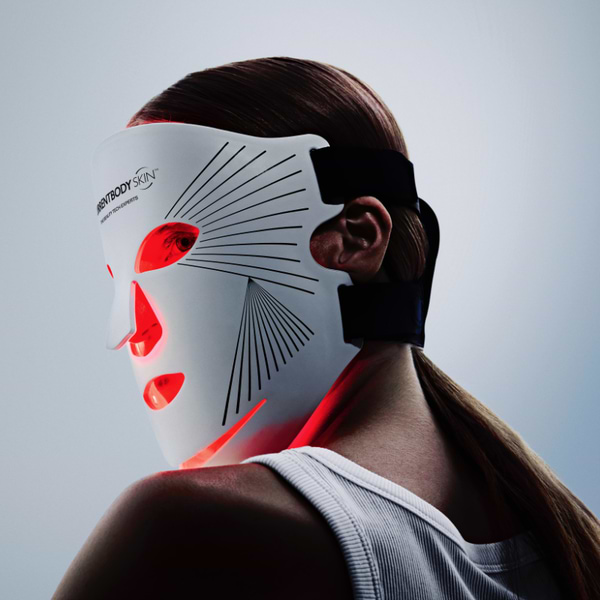
Enter blue light therapy. That's right, the skincare solution you’ve been craving might not be another cream or cleanser, but an LED blue light therapy mask. Before we dive into how blue light therapy is used to target acne-causing bacteria, to help treat adult acne. Let’s take a closer look at what it is and actually causes adult acne in the first place.
While anyone can develop adult acne, women are more prone than men, often thanks to hormonal changes, stress, and everyday life getting in the way of skin balance.
Now that we know what it is, the real question is: why do I have adult acne? Let’s find out.
More specifically adult acne can be caused by the following:
If you suspect this is the case, it’s recommended to talk with your doctor or a dermatologist for advice.
While you’ll find an abundance of blemish relief balms, creams and everything in between on the shop shelves, if you’re seeing spots pop up later in life you might be looking for something a little more effective for banishing unwelcome blemishes.
Enter blue light therapy. That's right, the skincare solution you’ve been craving might not be another cream or cleanser, but an LED blue light therapy mask. Before we dive into how blue light therapy is used to target acne-causing bacteria, to help treat adult acne. Let’s take a closer look at what it is and actually causes adult acne in the first place.
What is Adult Acne?
Adult acne is simply acne that appears after the age of 25. And it’s more common than you think. In fact, a study by Pierre Fabre Laboratories, found that 1 in 5 people worldwide are affected.While anyone can develop adult acne, women are more prone than men, often thanks to hormonal changes, stress, and everyday life getting in the way of skin balance.
Now that we know what it is, the real question is: why do I have adult acne? Let’s find out.
What causes Adult Acne?
Acne develops when pores become blocked with excess sebum (oil produced naturally by the skin to keep it hydrated). Once clogged, the blemish-causing bacteria Cutibacterium acnes breeds, leading to inflammation and, you guessed it, blemishes.More specifically adult acne can be caused by the following:
Hormonal changes
Affecting sebum production, hormonal fluctuations are the main cause of adult acne, whether due to the menstrual cycle, pregnancy or menopause. An increase in androgens, hormones like testosterone, can also boost oil production and trigger breakouts, explaining why so many people experience acne throughout adulthood, even if avoided during adolescence.Stress
Have you ever noticed how spots seem to appear right before an important or stressful event? That's no coincidence. Stress raises cortisol levels which tells your oil glands to produce more sebum. More oil equals more clogged pores and more breakouts.Skincare and cosmetics
While you may think that investing in expensive skincare is the answer to achieving clear and glowing skin, this isn’t always the case. Ironically, sometimes the products we apply in good faith can be to blame. Heavy foundations, pore-clogging moisturisers, or over-exfoliating scrubs can all irritate the skin and trap oil and bacteria.Lifestyle factors
Your daily habits play a bigger role in your skin health than you might think. Diets high in sugar or dairy have been linked to acne flare-ups, while smoking reduces oxygen to the skin and slows healing. Throw in lack of sleep (your body’s natural repair time) and you’ve got a recipe for stubborn breakouts.Medical conditions and medications
Sometimes, adult acne isn’t about lifestyle at all. It can be linked to underlying health issues or the medications you are taking, Hormonal disorders like PCOS are well-known acne triggers, and certain drugs (including steroids, lithium, or some birth control methods) can make acne worse.If you suspect this is the case, it’s recommended to talk with your doctor or a dermatologist for advice.


Scritto da
Alicia Backhouse
Alicia is a beauty content specialist based in Manchester with over 5 years of experience in the beauty industry. Having worked with various cult skincare and haircare brands, Alicia now works in-house at CurrentBody Skin, calling on her own experiences with problem skin and industry expertise to inform her writing and express her passion for beauty technology.

